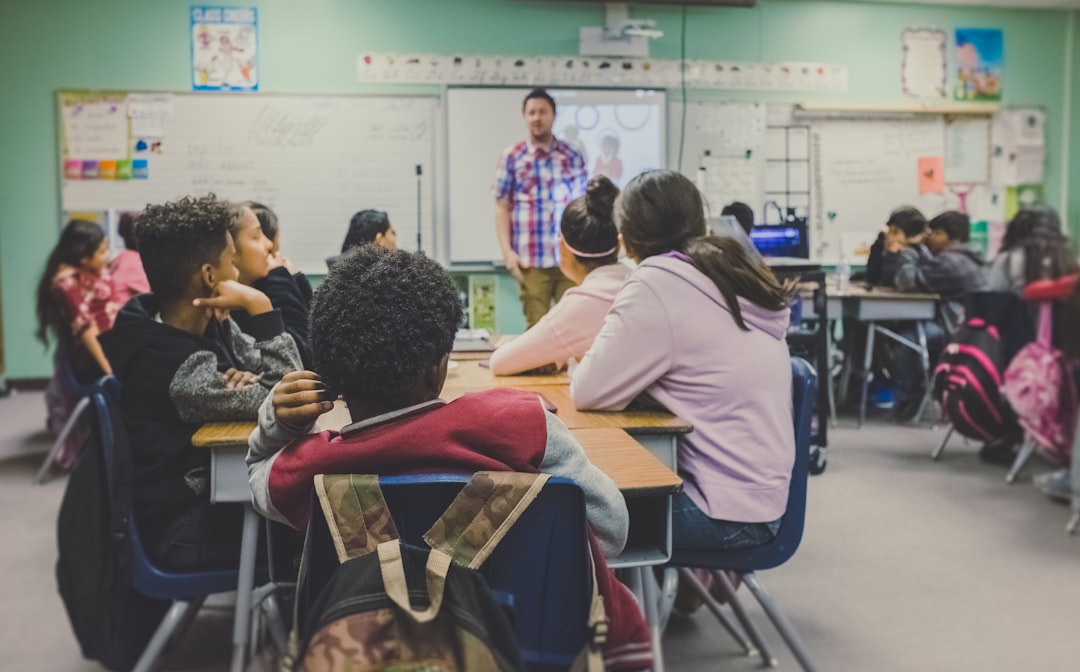
Buffalo's diverse demographics necessitate tailored, age-specific sexual abuse education programs. Key strategies include:
– Understanding vulnerabilities of different age groups, especially adolescents facing economic disparities.
– Early intervention focusing on online safety and empowering young individuals.
– Designing culturally relevant programs for honest conversations across backgrounds.
– Tailoring approaches based on geographical disparities between suburbs and inner cities.
– Holistic community needs assessment for robust educational frameworks.
Curricula are crafted for each grade level, aligning with cognitive development:
– Elementary school: Healthy boundaries, private parts education, consent through storytelling.
– Middle school: Peer pressure, digital safety, manipulative behaviors discussed in small groups.
– High school: Sexual health, decision-making skills, media literacy to challenge stereotypes.
Data shows tailored content reduces risky behaviors and increases help-seeking among youth. School abuse lawyers New York emphasize addressing power dynamics and societal structures contributing to sexual abuse, integrating consent discussions into broader contexts. Collaboration between schools, parents, community leaders, and legal experts is crucial for program development and success, ensuring age-appropriate curricula and empowering victims.
Sexual abuse is a pervasive issue, especially among youth, making it crucial to equip both victims and perpetrators with knowledge through age-appropriate education programs. In Buffalo, as in many cities, the lack of comprehensive, developmentally tailored sexual abuse education leaves a significant gap in prevention efforts. This article delves into the problem, highlighting the need for tailored programs that resonate with students’ ages and experiences, especially with the guidance of experienced school abuse lawyers in New York who understand the legal implications. We present strategies to develop effective educational initiatives to combat this complex issue.
Assessing Community Needs: Buffalo's Unique Challenges

Buffalo, a vibrant city with a rich cultural heritage, faces unique challenges when it comes to developing age-appropriate sexual abuse education programs. The community’s diverse demographic landscape presents both opportunities and obstacles for implementing effective educational initiatives. One of the primary considerations is understanding the specific needs and vulnerabilities of different age groups within the city. For instance, Buffalo’s adolescent population, many of whom face economic disparities and limited access to resources, may require tailored programs that address the complexities of online safety and peer pressure.
School abuse lawyers in New York emphasize the critical role of early intervention. Data suggests that sexual abuse prevention education can significantly reduce incidences by empowering young individuals with knowledge and skills to recognize and report potential threats. However, designing such programs requires a nuanced understanding of Buffalo’s cultural fabric. For example, community leaders and educators must be mindful of the city’s diverse ethnic backgrounds, ensuring that educational materials are inclusive and culturally relevant to foster honest conversations among students from various walks of life.
Furthermore, geographical disparities within Buffalo necessitate a targeted approach. The outer suburbs, with their relatively lower population density, may have distinct needs compared to the densely populated inner-city areas. Customized programs that cater to these variations can enhance engagement and effectiveness. By assessing community needs holistically, stakeholders can create robust educational frameworks that not only inform but also inspire action among Buffalo’s youth, ultimately contributing to a safer and more resilient community.
Crafting Age-Specific Curricula: Building Trust with Students

Crafting age-specific curricula is a cornerstone of developing effective sexual abuse education programs in Buffalo schools. This strategic approach recognizes the evolving cognitive and emotional development of students, ensuring that educational content resonates with each age group. For instance, elementary school programs should focus on establishing healthy boundaries, private parts education, and age-appropriate definitions of consent, using storytelling and visual aids to build trust. Middle school curricula can delve deeper into complex topics like peer pressure, digital safety, and recognizing manipulative behaviors, fostering open dialogue through small group discussions facilitated by trained educators or school abuse lawyers in New York.
High school students benefit from a more nuanced exploration of sexual health, including consent, contraception, and relationships, with an emphasis on decision-making skills and media literacy to challenge stereotypes. Customized content tailored to each grade level not only enhances understanding but also builds trust between students and educators. Data supports this approach; studies show that comprehensive sex education programs reduce risky behaviors and increase help-seeking among youth, underscoring the importance of age-specific instruction in fostering safe environments.
School abuse lawyers in New York highlight a critical gap in many existing programs: addressing power dynamics and societal structures that contribute to sexual abuse. Integrating discussions on consent within broader contexts of power imbalances, gender roles, and cultural norms empowers students to recognize and resist abusive situations. This nuanced perspective promotes a culture of respect and accountability, enabling students to become advocates for their own safety and that of their peers.
Engaging Stakeholders: Collaboration for Comprehensive Education

Developing comprehensive sexual abuse education programs requires a collaborative effort among various stakeholders, particularly when tailored to different age groups within Buffalo’s educational landscape. Engaging school administrators, teachers, parents, community leaders, and legal experts like a school abuse lawyer New York is essential for creating effective, age-appropriate curricula. Each stakeholder brings unique insights and perspectives that contribute to a holistic understanding of the issue. For instance, educators can offer insights into age-specific developmental stages and teaching methods, while legal professionals provide crucial information about laws governing child protection and potential consequences of abuse.
Collaborative workshops and training sessions facilitate knowledge sharing and foster consensus on critical educational goals. These platforms allow participants to delve into best practices for recognizing signs of abuse, promoting healthy boundaries, and responding appropriately when concerns arise. For example, a school abuse lawyer New York can provide real-world case studies illustrating legal protections available to victims and the importance of timely reporting. Such interactions ensure that educators feel equipped to address sensitive topics while understanding their legal obligations.
Moreover, involving community leaders and local organizations specializing in child welfare expands the program’s reach and cultural sensitivity. These partnerships enable tailored messaging that resonates within diverse communities, addressing unique cultural norms and challenges surrounding sexual abuse. By embracing a collaborative approach, Buffalo can develop educational programs that not only equip students with knowledge but also foster a supportive environment where victims feel empowered to speak out. This multifaceted strategy is vital for breaking down the silence surrounding sexual abuse and creating lasting positive change in our schools and communities.
Legal Framework and Implementation: School Abuse Lawyer New York's Role

In Buffalo, as across New York state, the legal framework for addressing sexual abuse within educational institutions is stringent and multi-faceted. The primary legislation, such as the Child Victims Act (CVA), outlines clear obligations for schools to report suspected abuse, provide support services, and ensure a safe learning environment. A crucial component of this legal landscape involves school abuse lawyers in New York, who play a pivotal role in both the prevention and prosecution phases. These attorneys collaborate with schools to develop comprehensive educational programs tailored to different age groups, ensuring students understand potential risks, recognize abusive situations, and know where to seek help.
Implementing these programs necessitates a strategic approach. School abuse lawyers in New York offer expert guidance on integrating educational initiatives into existing curricula without causing undue distress or disruption. For instance, they advocate for age-appropriate discussions about personal boundaries, consent, and healthy relationships starting as early as kindergarten. As students mature, the curriculum evolves to cover more complex topics like digital safety, identifying manipulative behaviors, and understanding legal protections against abuse. Regular reviews and updates ensure the programs remain relevant and effective in response to changing social dynamics and emerging forms of exploitation.
A successful implementation strategy involves fostering open dialogue between schools, parents, and the community. School abuse lawyers can facilitate these conversations, ensuring everyone is aligned with the program’s objectives and aware of their roles in protecting children. For example, legal professionals can organize workshops or information sessions to educate parents on recognizing signs of potential abuse and explaining the school’s reporting protocols. This collaborative effort not only strengthens the educational programs but also creates a supportive network that extends beyond school walls, enhancing community resilience against sexual abuse.